
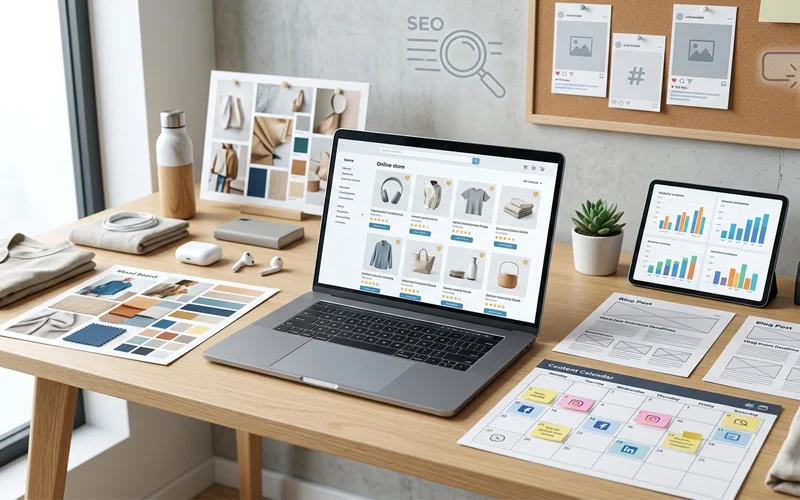
Running an ecommerce business is not only about adding products to a website and waiting for customers to buy. People want useful information, clear answers, proof that products work, and content that helps them make confident decisions. A strong content strategy can attract new visitors, keep existing customers interested, and support different stages of the buying journey. This is why businesses need a mix of educational, visual, interactive, and community-based content instead of publishing the same type of post again and again.
A good content plan should also match the products, audience, brand personality, and shopping habits of customers. Some content can introduce a product, while other content can explain its benefits or answer concerns before purchase. The following 20 ecommerce content ideas can help online stores create useful experiences while keeping their content fresh, relevant, and engaging.
Why Content Matters for Ecommerce
Content gives shoppers more information before they spend money. A detailed product page may explain specifications, but additional content can show how a product fits into real situations. Videos, guides, reviews, tutorials, and customer stories can make an online shopping experience feel more informative and trustworthy.
Content can also support organic visibility when it answers questions that people commonly ask. Instead of creating articles only around products, ecommerce businesses can discuss problems, needs, trends, comparisons, maintenance, and practical solutions. This approach creates more opportunities to reach people before they are ready to purchase.
1. Product Demonstration Videos
Product demonstration videos allow customers to see an item in action. A short video can show how a product works, how it looks from different angles, how large it is, or how it performs in a normal situation.
For example, a kitchen equipment store can demonstrate the steps involved in using a new appliance. A clothing brand can show how a garment looks while moving rather than relying only on product photography. Keep these videos simple, clear, and focused on useful information.
2. Customer Review Content
Customer reviews help shoppers understand what they can expect after purchasing a product. Real experiences can answer questions that product descriptions may not fully cover, such as whether an item is easy to use, comfortable, durable, or suitable for a particular need. Ecommerce brands can also reuse valuable reviews in social media posts, website sections, email campaigns, short videos, graphics, and customer stories.
Rather than focusing only on star ratings, highlight useful details from customer experiences. A review about product quality, sizing, packaging, performance, or ease of use can give potential buyers more helpful information. Businesses should always use genuine feedback and keep the original meaning intact. Avoid editing reviews in a way that changes the customer’s actual experience, as honest feedback makes this type of content more trustworthy.
3. Behind the Scenes Stories
People often become more interested in a brand when they understand what happens behind the product. Show packaging processes, product preparation, design development, quality checks, photography sessions, or the people working on different stages of the business.
These stories can make a brand feel more transparent and human. They are also useful for social media because they can be created from ordinary business activities without requiring a completely separate production process.
4. User Generated Content
User generated content gives customers an opportunity to become part of the brand story. Photos, videos, styling ideas, unboxing clips, and product experiences can provide realistic examples of how products are used.
Businesses should request permission before using customer-created material and clearly respect the original creator. When managed properly, this type of content can add variety to promotional channels while giving potential buyers practical examples.
Creative ecommerce content ideas often come from observing how customers already interact with products. A business does not always need an expensive campaign. Sometimes a customer’s genuine experience can provide a stronger content opportunity than a highly polished advertisement.
5. Product Comparison Guides
Comparison guides help customers understand differences between similar products. A useful comparison should explain important factors such as size, materials, features, compatibility, intended use, maintenance requirements, or price range.
Avoid making unsupported claims about competitors. Instead, provide factual information that helps readers understand which features may matter for different needs. A clear comparison can reduce confusion and make the decision process easier.
6. How To Use Product Posts
Customers may need simple guidance after purchasing a product. Create useful tutorials that cover:
- Setup: Explain how to prepare and start using the product.
- Basic Use: Show the main functions through simple steps.
- Cleaning: Share suitable cleaning and maintenance methods.
- Storage: Explain how to store the product safely.
- Practical Uses: Show different ways customers can use the product.
Clear instructions can reduce confusion, help customers discover useful features, and make the product easier to use.
7. Frequently Asked Questions
FAQ content addresses questions that repeatedly appear in customer messages, product reviews, and sales conversations. Questions can cover shipping, returns, sizing, compatibility, materials, payment methods, warranties, or product usage.
A strong FAQ section should provide direct answers rather than vague promotional statements. Updating it regularly is important because customer questions can change when products, policies, or buying habits change.

8. Customer Polls and Surveys
Polls and surveys turn passive followers into participants. Ask customers about preferred colors, upcoming product categories, useful features, shopping difficulties, or content topics they would like to see.
The information can help businesses understand their audience while also creating engagement. However, surveys should have a clear purpose. Asking too many questions can reduce participation, so short and focused surveys are usually easier for customers to complete.
9. Interactive Product Quizzes
A product quiz can guide visitors toward suitable choices based on their needs and preferences. For example, a skincare store could ask about skin type, routine, and personal goals before showing relevant product categories.
The quiz should be easy to complete and transparent about how answers are used. It can be especially useful when a store has many similar products and customers are unsure where to begin.
10. Educational Blog Posts
Educational articles can answer questions that customers have before they ever visit a product page. Topics might include buying guides, material explanations, maintenance advice, industry developments, sizing information, or common product-related problems.
Ecommerce content ideas become more effective when educational articles focus on genuine customer needs instead of turning every paragraph into a sales pitch. Useful information can naturally lead readers toward relevant products without making the article feel like an advertisement.
11. Seasonal Shopping Guides
Shopping behavior often changes around holidays, school seasons, weather changes, festivals, and major events. Seasonal guides can organize products around these occasions and explain what shoppers should consider.
For example, a fashion store could create a guide for changing weather, while a stationery business could prepare content around a new academic term. Publishing seasonal material early gives customers time to research and plan their purchases.
12. Product Care Tips
Product care content helps customers protect the value and appearance of what they buy. Explain suitable cleaning methods, storage conditions, handling instructions, and common mistakes to avoid.
This type of content can also reduce unnecessary product problems caused by incorrect usage. When advice differs according to material or product type, provide specific instructions rather than general recommendations.
13. Customer Success Stories
A customer success story can explain how a product helped solve a particular problem or improve a specific experience. Unlike a short review, a detailed story can describe the situation before purchase, the reason for choosing the product, and the experience afterward.
The strongest stories focus on genuine outcomes and include enough context for readers to understand why the product was useful. This format can be particularly valuable for products that require more consideration before purchase.
14. Social Media Contests
Social media contests can encourage participation while increasing awareness of products. Businesses can invite followers to share creative photos, answer simple questions, vote on options, or participate in a themed challenge.
Contest rules should be simple and clearly communicated. Prizes should also match the audience and brand. A campaign becomes more useful when it generates meaningful interaction instead of attracting people who have no interest in the products.

15. New Product Announcements
A new product deserves more than a basic announcement. Explain what has been introduced, why it was developed, which customer need it addresses, and what makes it different from existing products.
Supporting content can include a short demonstration, development story, FAQ, customer preview, or product comparison. This creates several pieces of useful material from one launch.
16. Personalized Product Recommendations
Personalized recommendations can help shoppers discover products that fit their interests. Recommendations may be based on browsing behavior, previous purchases, selected preferences, or products viewed during a session.
Personalization should feel helpful rather than intrusive. Give customers control over their preferences and avoid making assumptions that are not supported by their interactions.
17. Expert Tips and Advice
Expert content can add depth to an ecommerce website. Invite qualified professionals, experienced team members, designers, technicians, or other relevant specialists to share practical advice.
For example, an outdoor store could publish advice from experienced outdoor professionals about choosing equipment. The focus should remain on useful guidance rather than simply presenting the expert as a promotional figure.
18. Shopping Checklists
Shopping checklists help customers remember important factors before buying a product. Depending on the product, a checklist might cover:
- Size and measurements
- Compatibility
- Budget
- Materials and features
- Warranty
- Maintenance needs
This type of content is useful for complex purchases and can also be offered as a downloadable guide or simple social media graphic.
19. Limited Time Campaign Content
Limited-time campaigns can communicate temporary offers, seasonal promotions, product launches, or special events. The content should clearly explain the offer, eligibility requirements, dates, and any important conditions.
Avoid creating unnecessary urgency or misleading countdowns. Customers respond better when promotional information is clear and accurate. A campaign can include email content, landing pages, social posts, banners, and supporting articles.
20. Community Focused Content
Community-focused content goes beyond individual product promotion. It can highlight customer interests, local events, helpful discussions, charitable activities, sustainability efforts, creator collaborations, or shared interests connected to the brand.
This approach gives customers reasons to interact with a business even when they are not ready to buy. Over time, useful community content can help create a stronger relationship between the brand and its audience.

Content Planning Table
| Content Category | Included Ideas | Main Purpose | Best Stage |
| Product Content | Demonstrations, comparisons, announcements | Explain products and features | Awareness & Consideration |
| Customer Content | Reviews, success stories, user-generated content | Build trust and credibility | Consideration & Decision |
| Educational Content | Tutorials, FAQs, care tips, expert advice | Answer questions and educate | Consideration & Post-purchase |
| Interactive Content | Polls, surveys, quizzes, contests | Increase participation | Engagement |
| Seasonal & Promotional Content | Shopping guides, limited-time campaigns | Support timely purchases | Awareness & Decision |
| Community Content | Recommendations, checklists, community stories | Build relationships and guide shoppers | Engagement & Consideration |
How to Build a Balanced Content Plan
Having many content ideas is useful, but publishing them without a plan can make content difficult to manage. Start by identifying what customers need at different stages of their shopping journey.
A simple process can help:
- Understand: Find common customer questions and problems.
- Choose: Select a content type that matches the need.
- Create: Provide useful information without unnecessary promotion.
- Publish: Use the platforms where your audience is active.
- Measure: Review engagement, traffic, clicks, and conversions.
- Improve: Update topics and formats based on the results.
This approach helps businesses create content with a clear purpose instead of publishing posts simply to stay active.
Measuring Content Performance
Content should be evaluated according to its purpose rather than one universal metric. Educational articles may be measured through organic traffic, engagement, and time spent on the page. Product videos can be reviewed through views, completion rates, clicks, and assisted conversions.
For interactive content, participation and completion rates can provide useful information. Product guides can be connected with product-page visits or sales activity. Tracking these signals helps businesses identify which formats are actually helping customers.
Regular review is important because audience interests can change. A topic that performs well during one season may become less useful later. Updating older content with accurate information can also keep valuable pages useful for longer.
Conclusion
The successful ecommerce content ideas should give customers useful reasons to visit, learn, interact, and return. Product demonstrations can show how items work, reviews can provide real experiences, educational articles can answer questions, and interactive formats can make shopping more personal. Community stories and customer-created material can add a human element that traditional product promotion often lacks.
The most valuable approach is to combine different formats rather than depending on one content type. Use customer questions to guide new topics, review performance regularly, update useful older pages, and keep every piece focused on a genuine audience need. With thoughtful planning, these 20 Unique ecommerce content ideas can become a practical content system that supports visibility, engagement, customer confidence, and long-term ecommerce growth.
FAQs
1. What makes ecommerce content effective?
Effective content answers real customer questions and provides useful information. It should be clear, accurate, relevant, and easy to understand.
2. How often should an ecommerce store publish content?
There is no fixed schedule for every business. Focus on a realistic publishing routine that maintains quality, relevance, and consistency.
3. Which ecommerce content ideas are useful for small businesses?
Small businesses can start with product tutorials, customer reviews, FAQs, educational articles, care guides, and user-generated content.
4. Can ecommerce content ideas help improve SEO?
Yes. Useful content can target relevant questions and improve organic visibility. Focus on search intent, helpful information, structure, and natural keyword usage.
5. Are ecommerce content ideas useful for social media?
Yes. Product videos, polls, customer stories, contests, and behind-the-scenes posts can create engagement and attract more attention.
6. What should students focus on when creating ecommerce content?
Ecommerce content ideas for students can focus on customer research, buying guides, tutorials, content planning, and basic performance tracking.
7. How can a store make its content more engaging?
Use real examples, visuals, customer experiences, interactive elements, and practical advice. Keep the content focused on customer needs.
8. Should every ecommerce article promote a product?
No. Some articles should educate or answer questions without directly promoting a product. Helpful content can build trust and support the customer journey.
Visit Breakcutter.com for the latest articles and updates.