
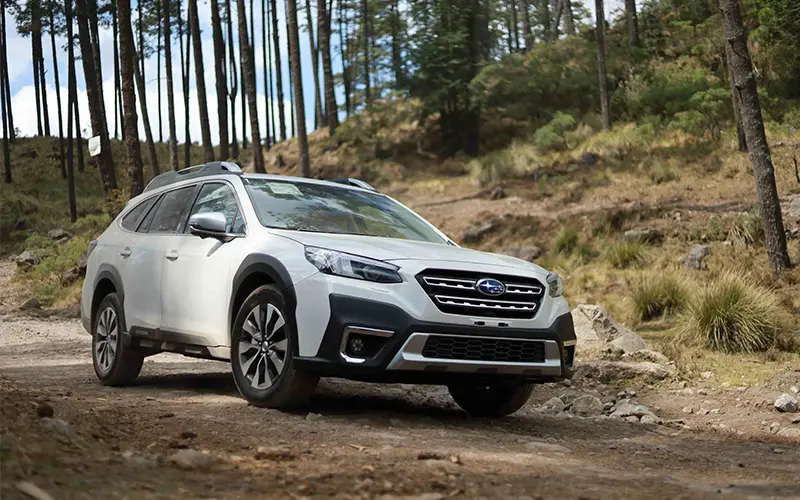
The Subaru Outback is known for its standard all-wheel drive, comfortable ride, practical cargo space, and ability to handle long trips with confidence. It has also developed a reputation for lasting a long time when it receives regular maintenance. However, reliability is not identical across the entire lineup. Some model years have strong engines and dependable transmissions, while others are known for oil consumption, CVT problems, battery drain, or troublesome electronics. Understanding these differences is important before buying a new or used Outback.
RepairPal places the Outback around 3.5 out of 5.0 for reliability, while properly maintained examples can potentially reach 200,000 to 300,000 miles. Annual maintenance costs are also generally reasonable for a midsize SUV. Recent Outbacks have received Quality & Reliability scores around 80 to 81 out of 100 from J.D. Power, showing how much the vehicle has improved over time. Still, looking at individual years gives a much clearer picture.
Strongest and Weakest Years
| Model Year | Overall Impression | Main Concern |
| 2005 | Below average | Head gaskets and suspension |
| 2006–2008 | Average | Head gaskets and timing belt |
| 2010–2011 | Fair to poor | Early CVT and engine leaks |
| 2012 | Average | CVT and head gaskets |
| 2013–2014 | Poor | Oil consumption and CVT |
| 2015 | Below average | CVT, oil use, battery |
| 2016–2017 | Good | Battery and suspension wear |
| 2018 | Below average | Infotainment and windshield |
| 2019 | Excellent | Minor battery and suspension issues |
| 2020 | Poor | Battery drain and electronics |
| 2021–2022 | Average to good | Electrical concerns |
| 2023–2025 | Excellent | Minor software issues |
| 2026 | Promising | First-year redesign risks |
Overall Subaru Outback Reliability
When judging Subaru Outback reliability, it is important to separate the general reputation of the vehicle from the weaknesses of individual generations. Subaru has produced several versions of the Outback over the years, and each generation introduced different engines, transmissions, electronics, and safety systems.
Older models are often mechanically simpler, but they can have expensive age-related problems such as head gasket leaks and timing belt service. Newer models have more refined powertrains but depend heavily on electronic systems. As a result, a well-maintained older Outback can sometimes be a better purchase than a neglected newer one.
Understanding the Older Generation
Buyers considering an early Outback should understand that age itself has become a major reliability factor. Even a model that was considered dependable when new may now need suspension, seals, wheel bearings, cooling-system work, and other age-related repairs.
For example, 2005 Subaru Outback reliability is held back by several known mechanical concerns. The 2.5-liter engine is vulnerable to head gasket failure, and the timing belt requires scheduled replacement. Some vehicles can also experience rear suspension instability and deteriorating interior materials. The 3.0-liter six-cylinder version is generally more attractive for buyers who prioritize durability.
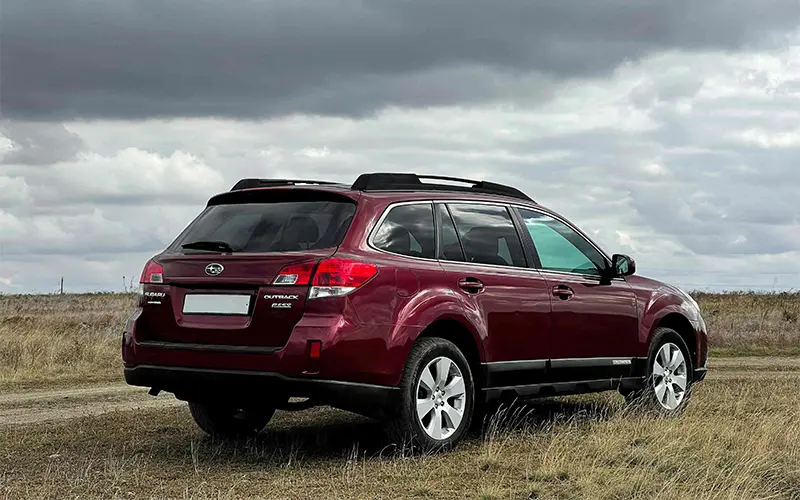
Moving into the following year, 2006 Subaru Outback reliability can still be reasonable when the vehicle has received proper maintenance. The 2.5-liter engine remains the main concern because of head gasket leaks, while the timing belt and water pump require attention at the correct service interval. Wheel bearings and CV axle boots should also be inspected carefully on high-mileage examples.
A similar situation applies to the 2007 model. While 2007 Subaru Outback reliability is generally average for an older SUV, its condition matters more than its age on paper. The 2.5-liter engine can develop head gasket problems, and buyers should verify timing belt replacement. The available 3.0-liter six-cylinder engine has a stronger reputation for long-term durability and avoids some of the four-cylinder engine’s major weaknesses.
By the time the 2008 model arrived, Subaru had more experience with this generation. The 2008 Subaru Outback reliability can be quite respectable if important maintenance has already been completed. A buyer should check for previous head gasket repairs, confirm timing belt and water pump service, and listen for wheel-bearing humming during a highway test drive.
Fourth-Generation Model Issues
The fourth generation introduced major changes, including Subaru’s early Lineartronic CVT in four-cylinder models. This created some important reliability concerns that buyers should understand before purchasing one today.
Early in this generation, the 2010 Subaru Outback reliability was affected by first-year problems. Some vehicles experienced torque converter shudder, CVT-related issues, head gasket leaks, repeated headlight failures, and steering vibrations. The 3.6R version is often more appealing mechanically because it uses a conventional five-speed automatic instead of the early CVT.
A year later, 2011 Subaru Outback reliability remained mixed. Some owners experienced torque converter problems that could cause the vehicle to shudder or stall when coming to a stop. The older 2.5-liter engine can also develop head gasket leaks. Water entering the cabin and repeated headlight bulb failures are additional areas worth checking.
The situation improved somewhat with the 2012 model. Buyers researching 2012 Subaru Outback reliability will find that it avoids the severe oil-consumption problems associated with the following two years. However, early CVT concerns and head gasket vulnerabilities remain. The 3.6R with its conventional automatic is again an attractive choice for someone prioritizing mechanical durability.
Why 2013 and 2014 Deserve Caution
One of the biggest changes in this generation came with the redesigned 2.5-liter engine. Unfortunately, some early examples developed serious oil-consumption problems.
Anyone researching 2013 Subaru Outback reliability should pay particular attention to the 2.5-liter engine. Excessive oil consumption caused by piston-ring problems became one of the major complaints associated with this model year. Some vehicles also developed CVT issues, fluid leaks, and premature wheel-bearing or suspension wear. A low purchase price is not necessarily a bargain if the vehicle has a poor maintenance history.
The following year did not completely solve those concerns. The 2014 Subaru Outback reliability record is weakened by excessive oil consumption in certain 2.5-liter models, along with early CVT problems and torque converter shudder. If the engine has been allowed to run with a low oil level, internal damage can become much more expensive than routine maintenance.
The Fifth Generation Is a Major Improvement
The fifth-generation Outback arrived with a more modern design, improved safety technology, and updated powertrains. However, its first year still had several complaints that make later models more attractive.
For shoppers considering a 2015 model, 2015 Subaru Outback reliability should be examined carefully. Some vehicles experienced CVT hesitation or fluid leaks, oil-consumption concerns, battery drain, windshield cracking, and infotainment problems. The 3.6R can be mechanically attractive, but buyers should still perform a complete inspection before purchase.
The picture becomes much better with the next model year. Many people researching 2016 Subaru Outback reliability consider it a strong used-car option because the major issues of earlier generations were largely behind it. Some vehicles can still experience battery drain, suspension bushing wear, and CVT fluid leaks, but these concerns are generally less serious than the engine problems associated with 2013 and 2014.
The 2017 model continues that improvement. Good examples offer a useful combination of modern safety features, practical interior space, and reasonable mechanical durability. When evaluating 2017 Subaru Outback reliability, check the battery, suspension bushings, and transmission behavior during a test drive.
The 2018 model presents an interesting situation because its main weaknesses are more electronic than mechanical. Looking into 2018 Subaru Outback reliability often leads to complaints about the infotainment display. Screen delamination can produce random touches or other strange behavior, while windshield cracking and battery drain are additional concerns. The underlying engines and CVT are considerably more mature than those used in the early fourth generation.
Why the 2019 Model Stands Out
For many used-car shoppers, 2019 is one of the most appealing years in the entire Outback lineup. As the final year of the fifth generation, Subaru had several years to refine the platform.
2019 Subaru Outback reliability record is supported by strong quality scores and relatively few major mechanical weaknesses compared with several nearby years. The infotainment system is more stable than the troublesome setup found in some 2018 vehicles, and the powertrain had become well established. Buyers should still inspect the battery, windshield, suspension bushings, and service history, but these are much easier concerns to manage than a failing engine or transmission.
The 2.5-liter version is economical and suitable for most daily driving, while the 3.6R offers significantly stronger acceleration and towing capability. For someone seeking a used Outback with modern safety equipment and a proven platform, 2019 is difficult to overlook.
Sixth-Generation Outback Models
The sixth generation brought a completely new platform and a large vertical touchscreen. While these changes improved the driving experience in many ways, the first production year introduced several electronic problems.
The 2020 Subaru Outback reliability record is weaker than later sixth-generation models. Owners reported parasitic battery drain, infotainment freezing, connectivity problems, and windshield cracking. The 11.6-inch display could sometimes become slow or unresponsive, which was especially frustrating because several vehicle functions were integrated into the screen.
Models from 2021 and 2022 improved on the launch-year problems. They still deserve an inspection for battery performance and electronic glitches, but the platform became more mature. For buyers who want a sixth-generation Outback without paying for the newest model, these years can be reasonable choices when maintenance records are strong.
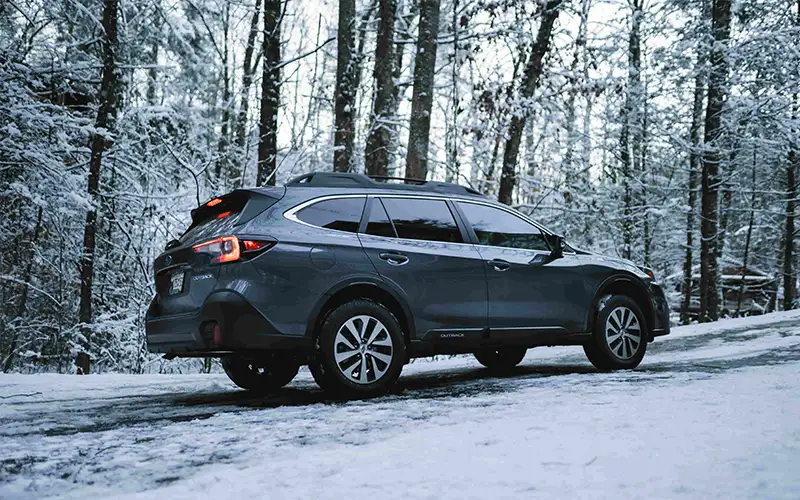
The Newer Outbacks Are More Refined
By 2023, Subaru had more time to improve the sixth-generation platform. Software updates and production improvements helped reduce many of the frustrations reported by early owners. This makes the newer vehicles more appealing for people who want modern safety systems and technology without accepting as many first-year problems.
2025 Subaru Outback reliability is particularly interesting because it represents the mature end of the sixth-generation design. Current reliability data places it among the strongest recent Outbacks, with J.D. Power Quality & Reliability scores around 81 out of 100. The standard 2.5-liter engine is simple and economical, while the 2.4-liter turbo provides stronger acceleration and towing ability.
There are still minor complaints, including occasional infotainment lag and concerns involving advanced driver-assistance behavior. However, these issues are quite different from the severe oil consumption and transmission problems associated with certain older years.
2026 Subaru Outback Redesign
The latest generation changes the Outback’s appearance significantly, giving it a more upright SUV shape and updating the cabin. Initial reliability indicators are encouraging, but long-term ownership data is naturally limited because the model is new.
The 2026 Subaru Outback reliability outlook therefore needs to be viewed with some caution. The model uses established Subaru engine families rather than completely experimental powertrains, and the cabin brings back more physical controls after years of complaints about touchscreen dependence.
For buyers who want the newest design, the 2026 can be attractive. However, anyone whose main priority is proven long-term reliability may still prefer a mature 2024 or 2025 model until more real-world mileage accumulates.
Best and Worst Outback Years
Looking across several generations, the strongest choices are generally found in mature production years rather than the first year of a major redesign. For used buyers, 2016, 2017, and especially 2019 are strong options. For newer buyers, 2023 through 2025 offer a more developed sixth-generation package.
More caution is appropriate with 2005, 2010, 2013, 2014, 2015, 2018, and 2020. The reasons vary from head gasket and timing belt concerns to oil consumption, early CVT problems, infotainment failures, battery drain, and fragile windshields.
Outback Inspection Before Buying
A Subaru Outback reliability rating should never replace a professional inspection. Before purchasing a used Outback, review the service records and look for evidence of regular oil changes and major scheduled maintenance.
During the test drive, listen for unusual engine noises and pay attention to transmission behavior. Shuddering, hesitation, delayed engagement, or strange vibrations deserve further investigation. Check beneath the vehicle for oil or coolant leaks and inspect the tires for uneven wear.
Older four-cylinder models should receive special attention around the timing belt and head gasket areas. Newer models need more electronic testing. Make sure the touchscreen, climate controls, cameras, driver-assistance systems, Bluetooth, and smartphone connectivity all work properly.
It is also important to check the vehicle identification number for outstanding recalls. A completed recall does not guarantee that a vehicle will be trouble-free, but buying a car with unresolved safety campaigns adds unnecessary risk.
Final Verdict
The Outback can be a very durable vehicle, but its reliability history is highly dependent on the year and powertrain. Some older models can reach impressive mileage when maintained correctly, while certain years have known problems that can quickly turn a cheap purchase into an expensive one.
For used buyers, the 2016, 2017, and 2019 models are among the most attractive choices. The 2019 model stands out because it combines a mature fifth-generation platform with modern safety and technology. For buyers seeking something newer, 2023 through 2025 provide a refined sixth-generation experience with fewer early-generation problems.
Overall, Subaru Outback reliability is strongest in well-maintained, mature model years rather than first-year redesigns. The 2026 Outback looks promising, but it is still too early to make a firm long-term judgment. Ultimately, the smartest purchase is not simply the newest or cheapest Outback. It is the model year with a strong reliability history, the right engine and transmission for your needs, complete maintenance records, completed recalls, and a clean inspection.
Frequently Asked Questions
1. Is Subaru Outback reliability good?
Yes. It is generally good, especially in well-maintained newer models. Reliability varies by year.
2. Which year has the best Subaru Outback reliability?
The 2019 model is one of the best used choices. The 2016, 2017, and 2023–2025 models are also strong options.
3. What is the Subaru Outback reliability rating?
RepairPal rates it around 3.5 out of 5.0 overall. Recent models also score well with J.D. Power.
4. Which years have poor Outback reliability?
Be more careful with 2005, 2010, 2013, 2014, 2015, 2018, and 2020 due to known mechanical or electrical issues.
5. How long can Subaru Outback reliability last?
With proper maintenance, many examples can reach 200,000 miles or more, with some going beyond 250,000 miles.
6. What problems do older models have?
Common concerns include head gasket leaks, timing belts, CVT problems, oil consumption, wheel bearings, and suspension wear.
7. Is the 2020 model reliable?
It has more concerns than later models, including battery drain, touchscreen glitches, connectivity issues, and windshield cracking.
8. Are newer models more reliable?
Generally, yes. Models from 2023 onward benefit from improvements made after the sixth-generation launch.
9. What should I check before buying a used model?
Check service records, engine, transmission, leaks, suspension, battery, electronics, windshield, and recall history.
Visit Breakcutter.com for the latest articles and updates.